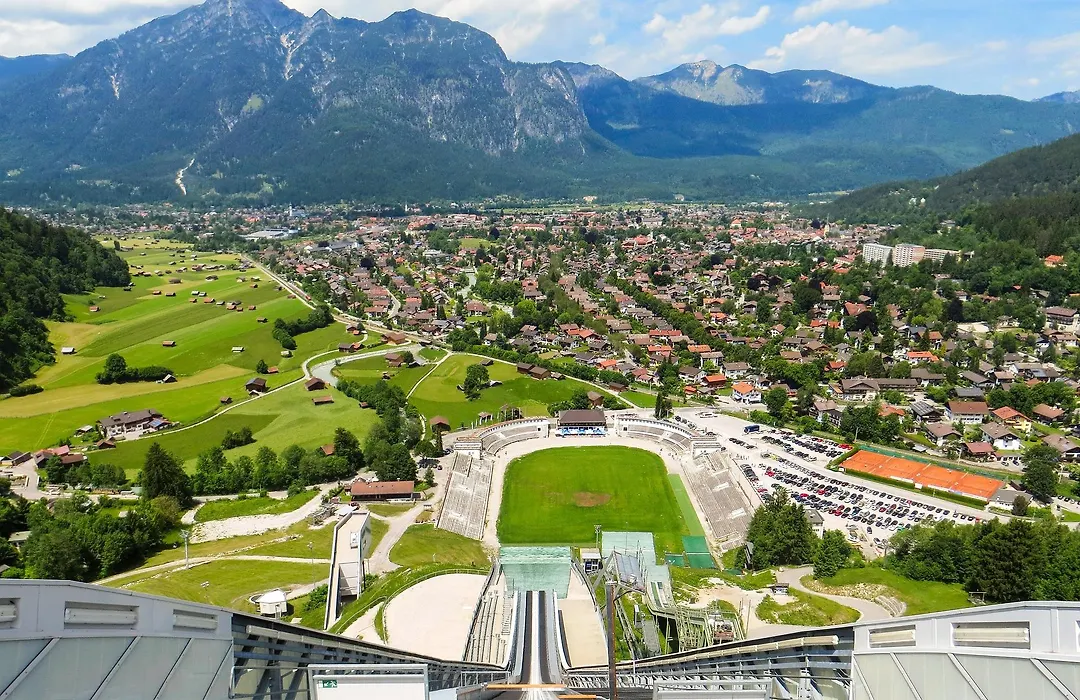
Partnach Gorge: A Breathtaking Alpine Adventure
August 04, 2025

I spent three hours hiking through Partnach Gorge, navigating the narrow wooden walkways and marveling at the towering rock walls and rushing mountain stream. The trail from Olympic Ski Stadium was easy to follow, and the changing landscape from summer greenery to winter ice formations made every step of the journey memorable.
Hidden in the Bavarian Alps, Partnach Gorge is a natural labyrinth carved by centuries of mountain water, where limestone walls rise dramatically 80 meters above a rushing stream. Discover a hiking trail that transforms from lush summer green to a frozen crystal wonderland in winter, revealing nature's most spectacular alpine secret.
Need-to-Know Info Before Visiting Partnach Gorge
Partnach Gorge Address
Partnachklamm, 82467 Garmisch-Partenkirchen, Bavaria, Germany
Partnach Gorge Opening Hours
- 🕒 Summer (April-October): Daily 8 AM - 7 PM
- 🕒 Winter (November-March): Daily 9 AM - 4 PM
- 🕒 Closed during extreme weather conditions
How to get to Partnach Gorge
- 🚗 By car: Park at Olympic Ski Stadium in Garmisch-Partenkirchen, 2 km walk to gorge entrance
- 🚌 Public transport: Regional train to Garmisch-Partenkirchen, then local bus to Olympic Stadium
- 🚕 Rideshare: Taxi available from Garmisch-Partenkirchen town center
What is Partnach Gorge known for?
- Dramatic limestone canyon carved by Partnach mountain stream
- Narrow walkways that wind through towering rock walls up to 80 meters high
- Popular hiking destination with stunning Alpine landscape views
- Part of Bavarian Alps' most picturesque natural hiking routes
What is Partnach Gorge in Garmisch-Partenkirchen?
Tucked away in the Bavarian Alps, Partnach Gorge stands as a natural wonder that draws hikers and outdoor enthusiasts from around the world. This narrow canyon, carved by the Partnach mountain stream, stretches roughly 700 meters long and plunges up to 80 meters deep, creating a dramatic landscape of towering rock walls and cascading water. Thousands of visitors trek through its narrow walkways each year, especially during summer hiking seasons. The gorge offers a mix of adventure and natural beauty, with strategically placed paths that wind through tight rock formations, allowing visitors to experience the raw power of Alpine geology up close. Photographers and nature lovers find the location irresistible, with its steep limestone walls and rushing water creating endless opportunities for stunning shots. Located just a short walk from the Olympic ski stadium in Garmisch-Partenkirchen, the gorge has become a key destination for travelers exploring Bavaria's outdoor attractions. Hikers can expect a moderate challenge, with some sections of the trail requiring careful navigation along wet and sometimes slippery paths. The gorge's accessibility and dramatic scenery make it a top recommendation for anyone visiting southern Germany's mountain regions.
Top things to do at Partnach Gorge
- Hike the entire gorge trail: Walk the 700-meter path through narrow rock walls, experiencing the canyon's dramatic landscape up close
- Photography expedition: Capture stunning shots of water cascading through limestone rock formations and narrow passageways
- Follow the mountain stream paths: Explore wooden walkways built into the gorge walls, offering unique perspectives of the rushing Partnach stream
- Winter ice formations tour: Visit during cold months to see spectacular frozen waterfalls and ice sculptures along the canyon walls
- Connect to longer Alpine hiking routes: Use Partnach Gorge as a starting point for extended mountain trail adventures in the Bavarian Alps
- Wildlife and nature observation: Watch for local Alpine wildlife like mountain goats, deer, and various bird species along the hiking routes
Tickets for Partnach Gorge
Entry to Partnach Gorge requires a small fee, typically around 6 euros for adults and 3 euros for children. Tickets can be purchased at the entrance near the Olympic Ski Stadium. No online booking is required, but during peak summer months, arriving early helps avoid potential crowds. Annual passes are available for frequent hikers and local residents.
Best Time to Visit Partnach Gorge
Summer months (June-September) offer the most comfortable hiking conditions with temperatures between 15-25°C. Winter visitors can experience a magical frozen landscape, but paths might be slippery and require proper hiking gear. Spring and early autumn provide moderate temperatures and fewer tourist crowds, making these ideal for serious hikers and nature photographers.
History of Partnach Gorge
- 1800s: First documented explorations of the gorge by local Bavarian geologists
- 1912: Initial walking paths constructed to make the gorge accessible to tourists
- 1930s: Wooden walkways added to facilitate safer hiking through the narrow canyon
- 1950: Officially designated as a natural monument by Bavarian conservation authorities
- 1980: Major infrastructure improvements to support increasing tourist interest
- 2000: Enhanced safety measures and environmental protection protocols implemented
Tips for Visitors
- Wear sturdy hiking boots with good grip, especially in wet or icy conditions
- Bring waterproof jacket and extra layers - temperature can drop inside the gorge
- Carry water and snacks, as facilities are limited along the hiking route
- Allow 2-3 hours for complete gorge exploration and hiking
- Check weather forecast before visiting - some paths close during extreme conditions
- Bring camera with wide-angle lens for best landscape shots
What are some interesting facts about Partnach Gorge?
- The gorge was formed over thousands of years by the continuous erosion of the Partnach stream, cutting through limestone rock and creating its dramatic 80-meter-high walls
- Local Bavarian folklore suggests that mountain goat herders first discovered the hidden passage through the gorge in the late 18th century, using it as a secret shortcut across the Alpine terrain
- During winter, the gorge transforms into a natural ice sculpture gallery, with water droplets and stream flows freezing into intricate formations that attract ice climbing enthusiasts from across Europe